SEO landing page
Cut List Planner
Build a reliable cut list planner for cabinets, shelves, and plywood projects: clear part names, quantities, kerf, and saved layouts that cut rework.
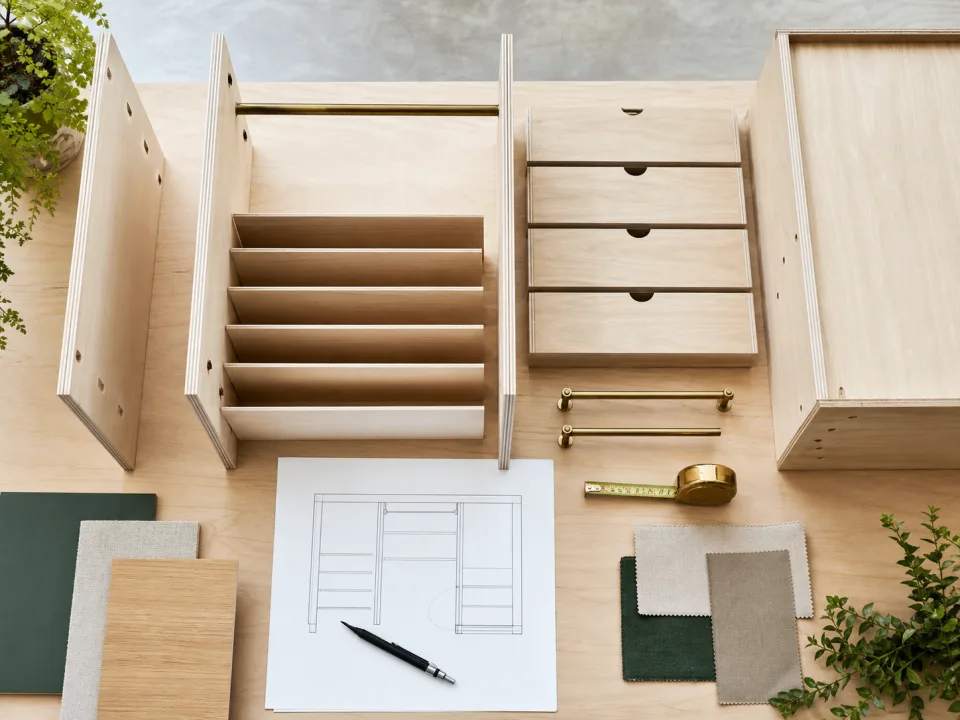
Target keywords
The problem
A cut list planner solves a common woodworking problem: dimensions are scattered across sketches, notes, screenshots, and mental reminders. Without a clear planner, repeated parts get missed, part names become unclear, and the saw setup depends on interpretation. That creates rework even when the design itself is simple.
Step-by-step solution
Name every part clearly
Use practical names like left side, fixed shelf, back panel, stretcher, drawer bottom, and door rail instead of anonymous numbers.
Add dimensions and quantity
Record final part size, material thickness, and count. Include trimming allowance only when it is actually needed.
Choose board or sheet workflow
Use a board cut list for linear stock and a plywood layout workflow for sheet goods.
Account for kerf and direction
Blade kerf and rotation rules can change whether a plan fits, so they must be part of the planner.
Export or save before cutting
A good cut list planner should become a shop document that can be checked at the saw.
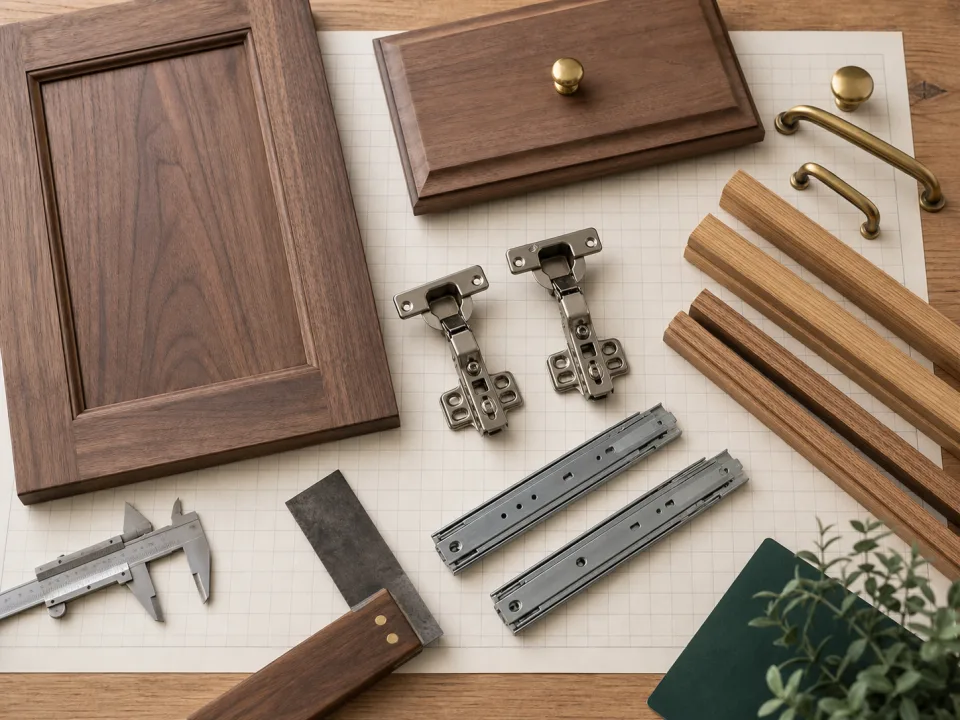
Tool recommendation: For quick planning, use the cut list calculator. For projects that need saved layouts, repeat editing, and a more product-like workflow, use CutList and keep the tools hub as the internal navigation point.
FAQ
What is a cut list planner?
A cut list planner organizes part names, dimensions, quantities, material, kerf, and layout rules before cutting.
Is a cut list planner better than a spreadsheet?
A spreadsheet can track parts, but a planner or optimizer can also show whether the parts fit the stock material.
When should I use CutList?
Use CutList when the project has many plywood parts, needs saved layouts, or should be exported as a PDF.
What should every cut list include?
Part name, width, length, quantity, material, thickness, kerf assumptions, and notes for rotation or grain direction.
Move from reading to a checked plan
Apply cut list planner to a saved project
Test the method with your own dimensions first. Use CutList when the reviewed plywood plan needs saved revisions, offline access, a cutting sequence, or a Pro PDF handoff.
- Free basic layouts
- No login
- No cloud upload
- Works offline
 On a computer? Scan with your iPhone or iPad.