Stair framing
Stair Stringer Material and Thickness
Choose the right stringer material and thickness for safe stairs: lumber sizing, cut depth limits, spacing, and when to add a mid-span stringer.
Research Lens
What makes stair stringer material and thickness useful enough to become a repeatable app workflow?
The strongest app workflows reduce setup, keep private records local, make the next decision visible, and export or share only when the user is ready. The article focuses on the capture-review-output loop behind the app use case.
Decision Metrics
The Stringer Is The Structure
A staircase is only as strong as its stringers, the sloped boards that carry every tread and all the load on them. Choosing the right material and thickness is a safety decision, not a cosmetic one. Before cutting notches, confirm the stock is straight, sound, and rated for the span and load the stairs will see.
Common Stringer Material
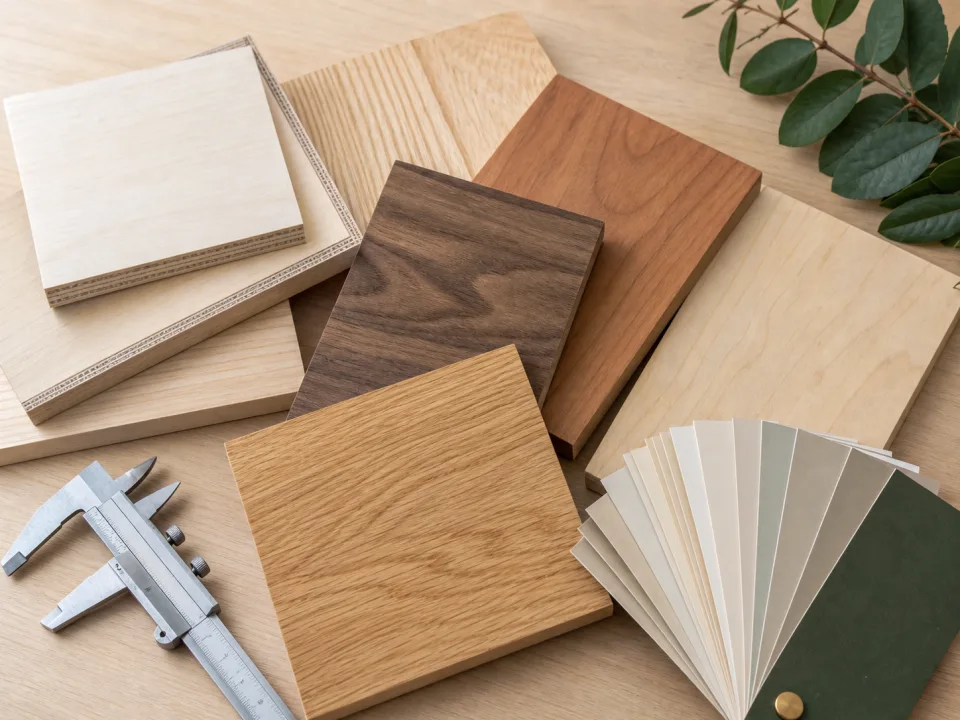
Interior stringers are often 2x12 dimensional lumber because it leaves enough material after the tread and riser notches are cut. Exterior or ground-contact stairs use pressure-treated lumber. Some builders use engineered lumber for long, straight runs. Whatever the material, pick boards with minimal knots along the notch lines, since a knot at a cut can become a weak point.
Why 2x12 And The Cut Depth Rule
When you notch a stringer for treads and risers, you remove material and leave a thinner remaining throat behind the cuts. Building guidance commonly calls for keeping enough solid material behind the notch, which is why a 2x12 is standard: a smaller board may not leave enough throat after notching. Plan the rise and run so the remaining material stays adequate, and check your local code for the exact requirement.
Stringer Spacing And Mid-Span Support
Stringer spacing depends on tread material and thickness. Closer spacing reduces tread flex and bounce. Wider stairs almost always need a third, mid-span stringer so the treads do not sag in the middle. Decide the number of stringers before you cut, because it changes how many identical notched boards you produce.
Lay Out One, Then Use It As A Template
Cut and check a single stringer first, test it against the actual rise and run, then use it as a template to mark the rest so every stringer matches. Use the stair stringer calculator to work out riser height, tread depth, and stringer length before marking, so the first board is right and the rest simply copy it.
Field Checklist
- Pick straight, sound stock with clear notch lines.
- Use 2x12 so notching leaves enough throat.
- Check local code for remaining-material rules.
- Add a mid-span stringer on wide stairs.
- Cut one stringer, verify it, then template the rest.